When you receive a cancer diagnosis, one of the first questions you think about is treatment: "What options are out there? What's the best thing available?" It's completely normal to want access to the most advanced, effective therapies available. However, the harsh reality is that not everyone diagnosed with cancer has equal access to cutting-edge treatments. This inequality affects real people and real outcomes, and it's something we need to talk about openly.
At Cancer Care Parcel, we understand how overwhelming it can feel to navigate not only a cancer diagnosis but also the complex landscape of treatment access (why some people get certain options while others don't). These inequalities aren't simple; they're tied to money, location, race, education, and systemic issues that affect millions of people worldwide and deserve our attention, and understanding them helps you advocate better for yourself or a loved one.
The differences in cancer care access extend far beyond what many people realize. These disparities touch every aspect of cancer care, from initial screening and diagnosis to the most advanced treatment options and ongoing support.
Research consistently shows that people of color face substantial barriers to accessing healthcare, including higher uninsured rates, which directly limit access to cancer screening, timely care, and advanced treatments. Educational inequality plays a huge role as well. Studies across European countries found that educational disparities account for a substantial percentage of cancer deaths, as people with less formal education often face worse outcomes because of delayed diagnosis or limited treatment options.
These inequalities manifest throughout the entire cancer journey.
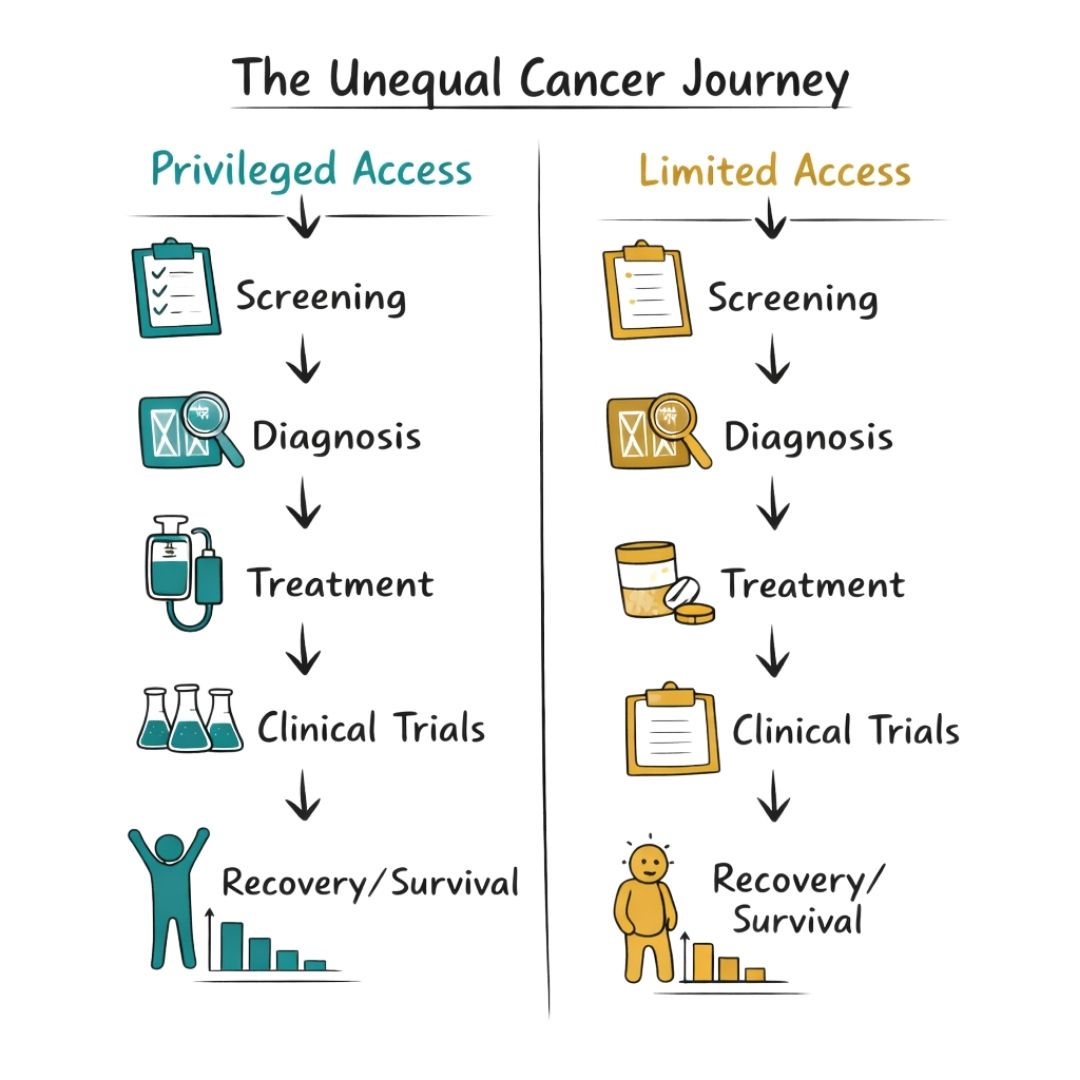
When someone is diagnosed at an advanced stage, their treatment options become more limited, and outcomes are typically more challenging. Unfortunately, late-stage diagnoses are common among those with economic disadvantage, creating a cycle where those who need the most support get the least access to effective treatments.
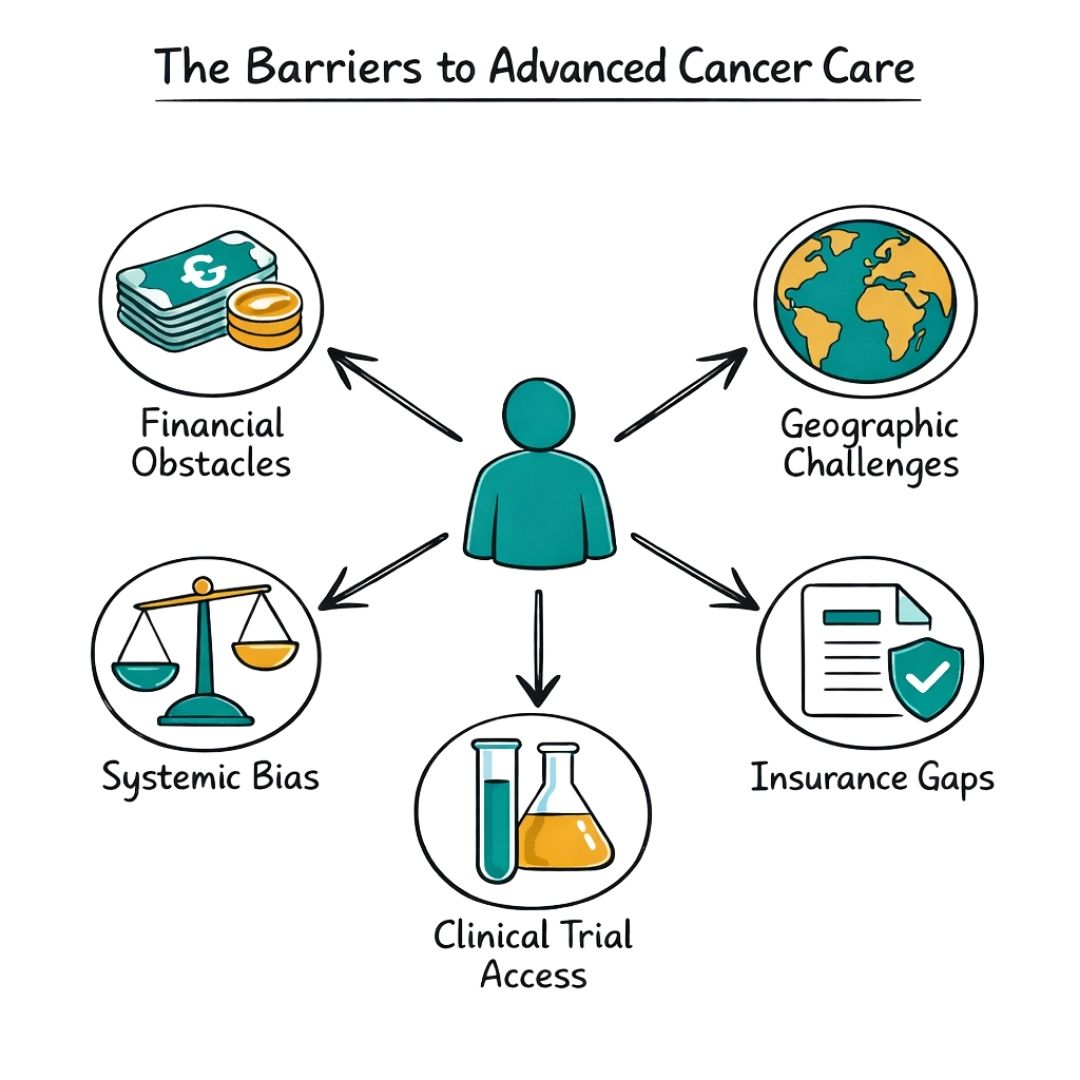
For many people, the cost of cancer treatment is simply too high to overcome. Even with insurance, the out-of-pocket expenses for advanced therapies can be overwhelming. Those without adequate insurance coverage face even steeper challenges, often having to choose between financial stability and accessing the treatments that could help them
Modern cancer therapies, particularly innovative options like CAR T-cell treatments and targeted therapies, can cost hundreds of thousands of pounds. While these treatments represent remarkable advances in cancer care, the price puts them out of reach for many, even in countries with robust healthcare systems.
Financial barriers don't just affect treatment access: they impact the entire cancer experience. People may delay seeking care, skip follow-up appointments, or avoid recommended screenings due to cost concerns. This creates a situation where those who need early intervention most are least likely to receive it.
Where you live significantly impacts your access to advanced cancer treatments. Major cancer centers with the latest equipment and specialists are often in big cities. Rural or remote areas may lack access to Specialized treatments, which often require multiple visits to facilities hundreds of miles away, creating additional burdens of travel, time off work, and extra accommodation costs.
Globally, the gaps in infrastructure are much bigger and more obvious. Essential equipment like radiotherapy machines is not available equally across different countries. This means that treatments considered standard in some regions remain inaccessible luxuries in others.
Unfortunately, discrimination within healthcare systems contributes to treatment disparities. Research shows that certain ethnic groups experience longer delays in receiving treatments compared to others, with insurance status playing a significant role in these delays or in how symptoms are interpreted.
These biases can be subtle but impactful, affecting everything from how symptoms are interpreted to which treatment options are presented to patients. The result is that some people receive less aggressive or comprehensive treatment approaches, not based on their medical needs but on systemic inequalities.

One of the most significant barriers to accessing cutting-edge treatments lies in clinical trial participation. Many breakthrough therapies are only available through clinical trials before they receive broader approval. However, certain populations are significantly underrepresented in these trials. which means new therapies may not be tested or optimized for everyone.
This underrepresentation creates a cycle of inequality. When clinical trials don't include diverse populations, the resulting treatments that might work better for specific populations aren't developed as well, and those who are underrepresented miss opportunities to access potentially life-saving therapies before they become widely available.
Barriers to clinical trial participation include a lack of awareness (information about available trials), transportation challenges, time commitment requirements, and financial strain. Many people simply don't know that clinical trials are an option, or they face practical obstacles that make participation impossible.
When we look at cancer care globally, the survival rates vary dramatically by country.
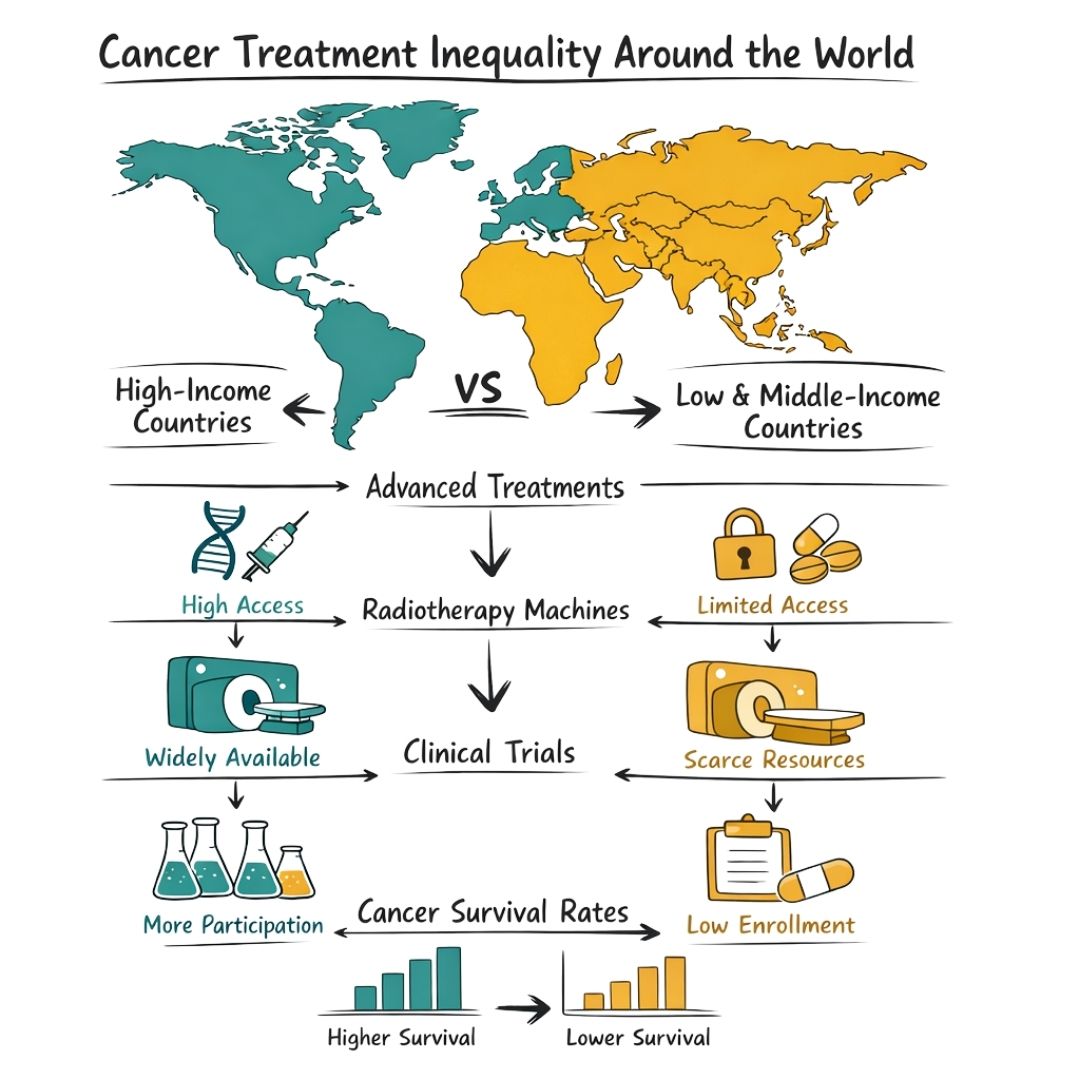
High-income countries generally have better outcomes because of earlier detection, more advanced treatments, and stronger support systems. In low- and middle-income countries, even basic cancer treatments that are considered standard care elsewhere remain unavailable or accessible only to those with significant financial resources. This creates a situation where your country of birth significantly influences your cancer journey and outcomes.
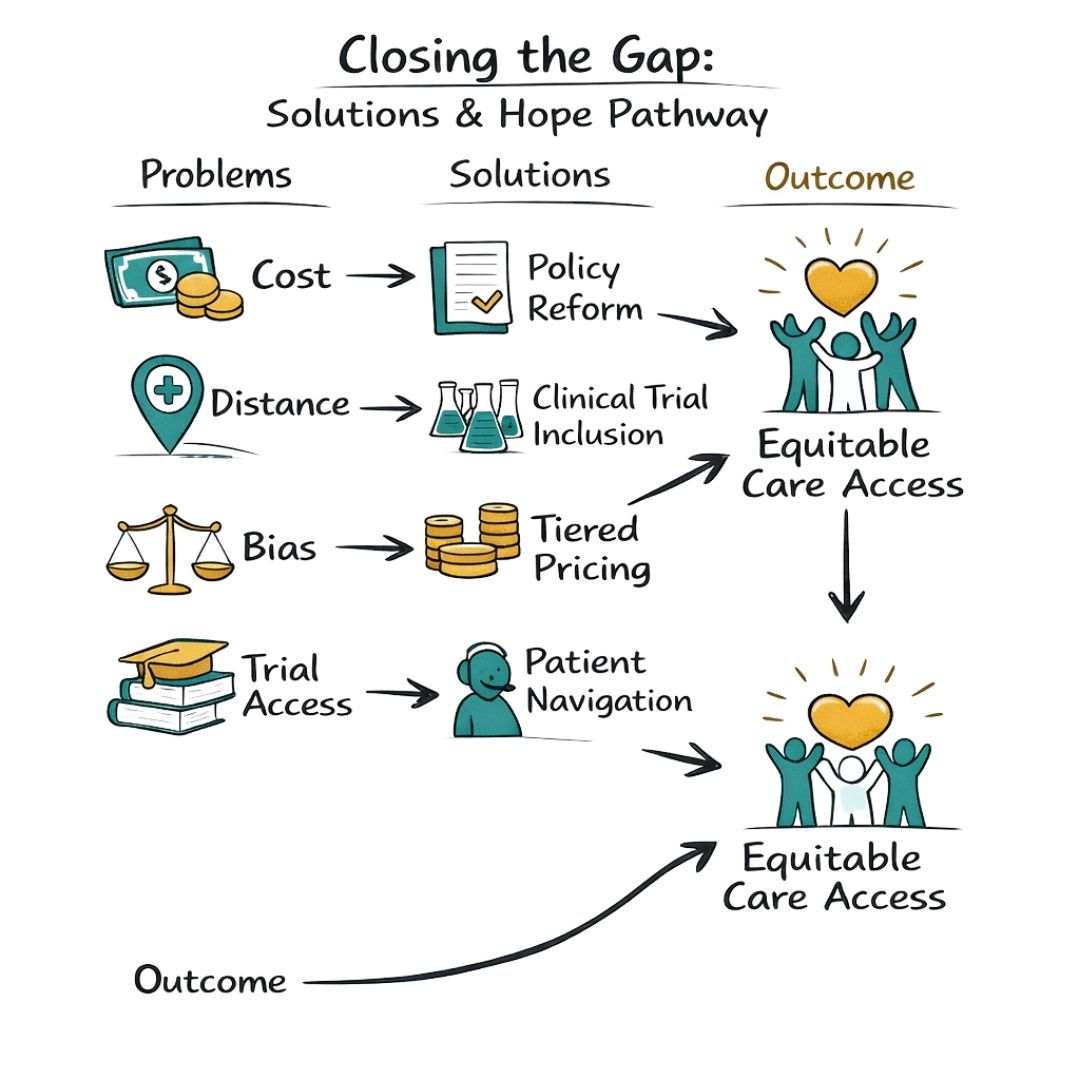
Despite these challenges, there are meaningful efforts underway to address treatment access inequalities. Policy makers are working to expand insurance coverage for clinical trials, making participation more accessible to those who previously couldn't afford it.
Some regions have implemented legislation requiring insurance plans to cover routine care costs associated with clinical trial participation. This eliminates a big financial obstacle that previously prevented many people from accessing experimental treatments.
Healthcare institutions are also launching patient navigation programs to connect underrepresented groups with clinical trials and advanced treatment options. These initiatives often include patient navigation services that help people understand their options and overcome practical barriers to care.
Addressing cancer treatment inequalities requires collaboration between multiple sectors. Governments, healthcare providers, pharmaceutical companies, and non-profit organizations all have roles to play in creating more equitable access to advanced treatments.
Some pharmaceutical companies are exploring tiered pricing strategies that make treatments more affordable in lower-income regions. Academic institutions are working to accelerate drug development and make clinical trial participation more inclusive and diverse.
Prevention initiatives also play a crucial role in addressing inequalities. Programs focused on vaccination, early screening, detection, and lifestyle interventions can reduce cancer cases and improve outcomes while requiring fewer resources than advanced treatment interventions.
Understanding these inequalities doesn't mean losing hope; it means being informed about the landscape you're navigating. If you or someone you know is facing cancer, here are some ways to advocate for equitable access:
Research all available options, including clinical trials that might be appropriate for your situation. Patient advocacy organizations and cancer centers often have resources to help identify potential opportunities.
Connect with patient navigation services if they're available in your area. These services can help you understand your insurance coverage, identify financial assistance programs, and access support services.
Don't hesitate to seek second opinions, especially if you feel your treatment options are limited. Different cancer centers may have access to different clinical trials or treatment approaches.
Consider reaching out to organizations that provide financial assistance for cancer treatment. Many pharmaceutical companies, foundations, and non-profit organizations offer programs to help people access the treatments they need.
While the current state of cancer treatment access reveals significant gaps and unfairness, awareness of these issues is growing, and efforts to address them are expanding. The goal is a future where your zip code, income level, or background doesn't determine whether you get life-saving treatments.
This transformation requires sustained effort from all of us: patients, families, healthcare providers, researchers, and policymakers. By understanding these challenges and supporting efforts to address them, we can work toward a more equitable cancer care system.
At Cancer Care Parcel, we believe everyone deserves access to comprehensive cancer support, regardless of their circumstances. While we can't solve systemic healthcare inequalities overnight, we can continue to provide clear information, resources, and support to help you navigate your cancer experiences with dignity and hope.
The reality of unequal access to cutting-edge cancer treatments is difficult to accept, but acknowledging it is the first step toward creating meaningful change. Through continued advocacy, research, and collaboration, we can work toward a future where innovative cancer treatments are accessible to everyone who needs them.
We strongly advise you to talk with a health care professional about specific medical conditions and treatments.
The information on our site is meant to be helpful and educational but is not a substitute for medical advice.
Discover The Benefits Of Palliative Care For Cancer Patients. Learn How It Manages Symptoms, Provides Emotional Support, And Improves Overall Quality Of Life.
Explore How Cancer Affects Relationships, And Learn Practical Strategies For Strengthening Emotional Bonds Through Communication, Compassion, And Support.
Discover How Exercise Reduces Cancer Risk, Improves Treatment Results, And Supports Long-Term Recovery