Waking up drenched in sweat can be unsettling, especially if you're worried about what it might mean for your health. Night sweats are a surprisingly common concern among men, yet many misunderstand their causes and significance. For those anxious about night sweats and prostate cancer, understanding the connection can bring clarity and peace of mind.
This guide explains how night sweats can relate to prostate health. We will cover what causes night sweats, how they may signal prostate cancer, how doctors diagnose the issue, ways to manage symptoms, and when to seek medical help.
Waking up covered in sweat can be unsettling, especially if it happens often. Night sweats and prostate cancer are frequently discussed together because sweating at night is a symptom that can worry many men. To understand whether you should be concerned, it's important to look at what night sweats are, what causes them, and how they might relate to prostate cancer.
Night sweats refer to repeated episodes of extreme sweating during sleep, enough to soak your bedding or clothes. Unlike normal sweating, which might happen if your room is too warm or you have a heavy duvet, night sweats occur regardless of temperature.
People often mistake mild overheating for night sweats, but true night sweats are usually more severe and can disrupt sleep. It’s common to wake up drenched, even if your environment is cool. Many believe that night sweats always signal something serious, but that's not always the case. Still, understanding night sweats and prostate cancer is vital for knowing when to seek help.
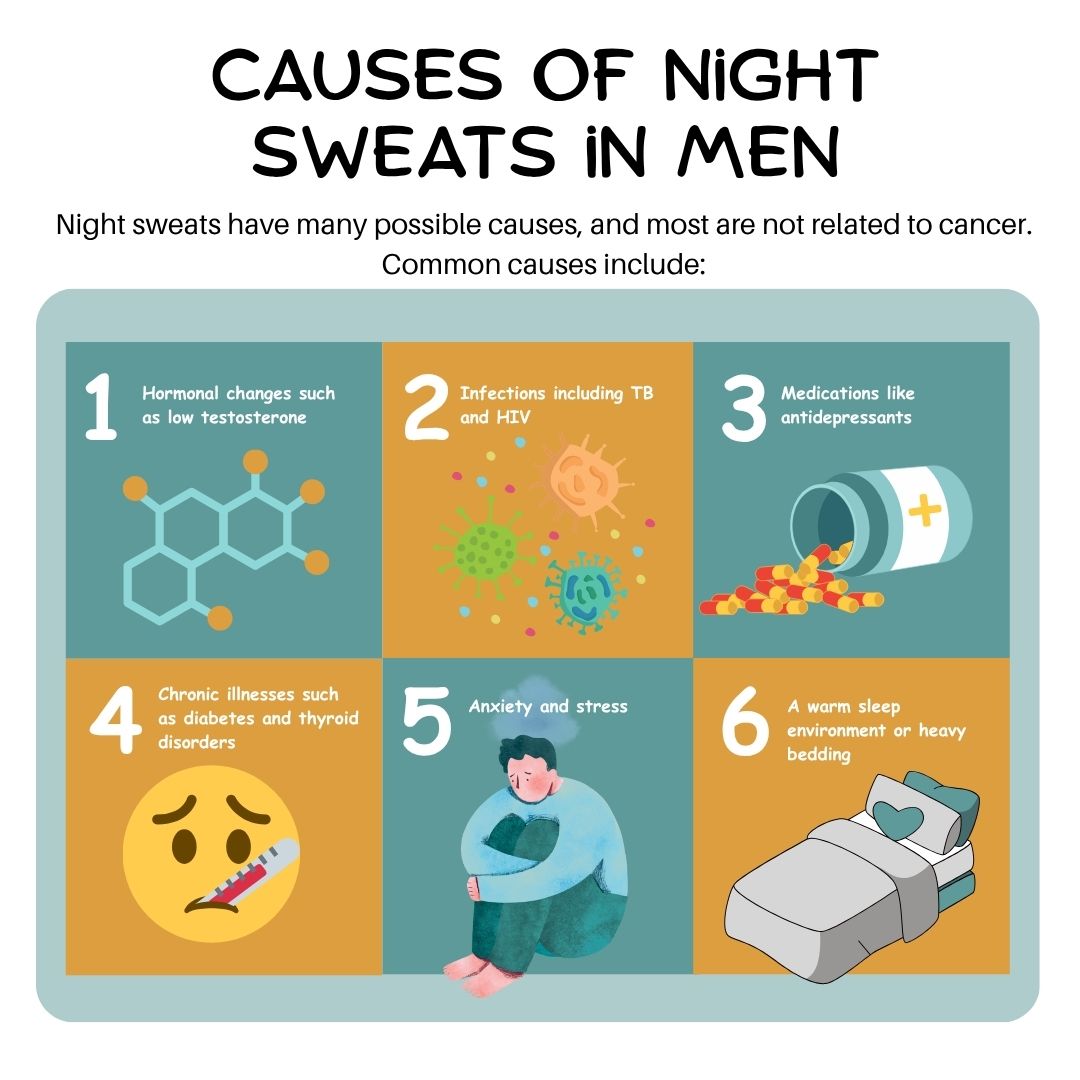
Night sweats in men can have many triggers, not just prostate cancer. Hormonal changes, like drops in testosterone or andropause, are frequent culprits. Infections such as tuberculosis and HIV, or taking certain medications like antidepressants or hormone therapies, can also play a role. Chronic illnesses, including diabetes and thyroid disorders, may contribute.
Anxiety and stress sometimes lead to episodes of sweating at night, and even your sleep environment—think temperature or bedding—can be a factor. According to the Mayo Clinic, up to 41% of men will experience night sweats at some point. When thinking about night sweats and prostate cancer, remember that most causes are not cancer-related.
Table: Common Causes of Night Sweats in Men
| Cause | Example/Trigger |
|---|---|
| Hormonal changes | Low testosterone |
| Infections | TB, HIV |
| Medications | Antidepressants |
| Chronic illnesses | Diabetes, thyroid |
| Anxiety & stress | High stress levels |
| Sleep environment | Warm room, bedding |
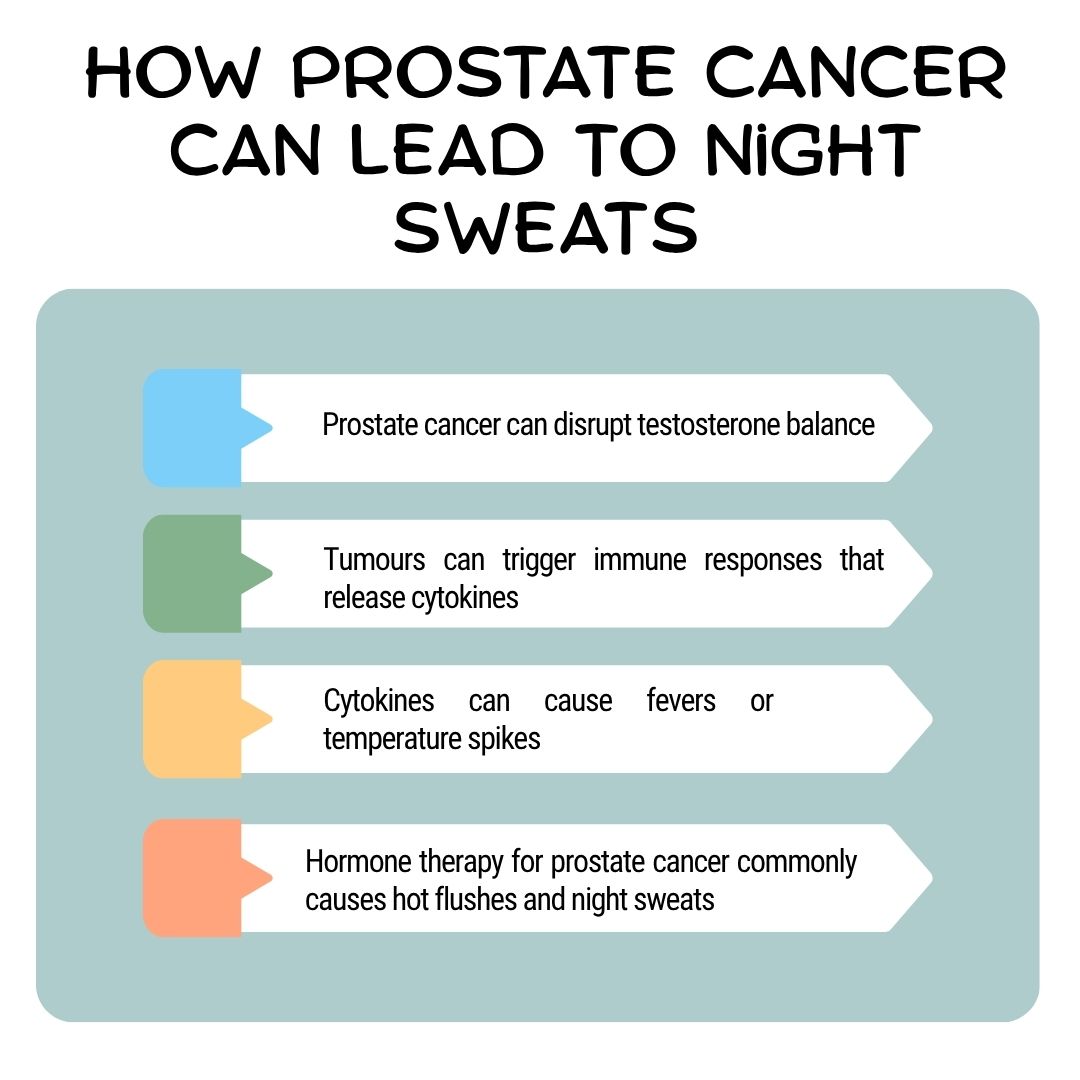
Night sweats and prostate cancer are linked because some cancers can disrupt the body's temperature regulation. Tumours may affect hormones or trigger the immune system to release cytokines, leading to fevers and sweats. This is more common in advanced or metastatic cancers, such as lymphoma, leukaemia, or advanced prostate cancer.
A study in the BMJ found that night sweats are present in about 19% of men with advanced cancers. However, it’s crucial not to panic if you notice night sweats. Many non-cancerous conditions are responsible. If you want to learn more about cancer-related night sweats and ways to cope, you can find detailed guidance in Managing Hot Flashes and Night Sweats in Cancer Patients. Always consult your GP if you are worried, especially if night sweats come with other symptoms or risk factors.
Waking up clammy or soaked can be unsettling, especially when you start connecting the dots between night sweats and prostate cancer. Understanding why these two are linked is essential for early recognition and peace of mind.
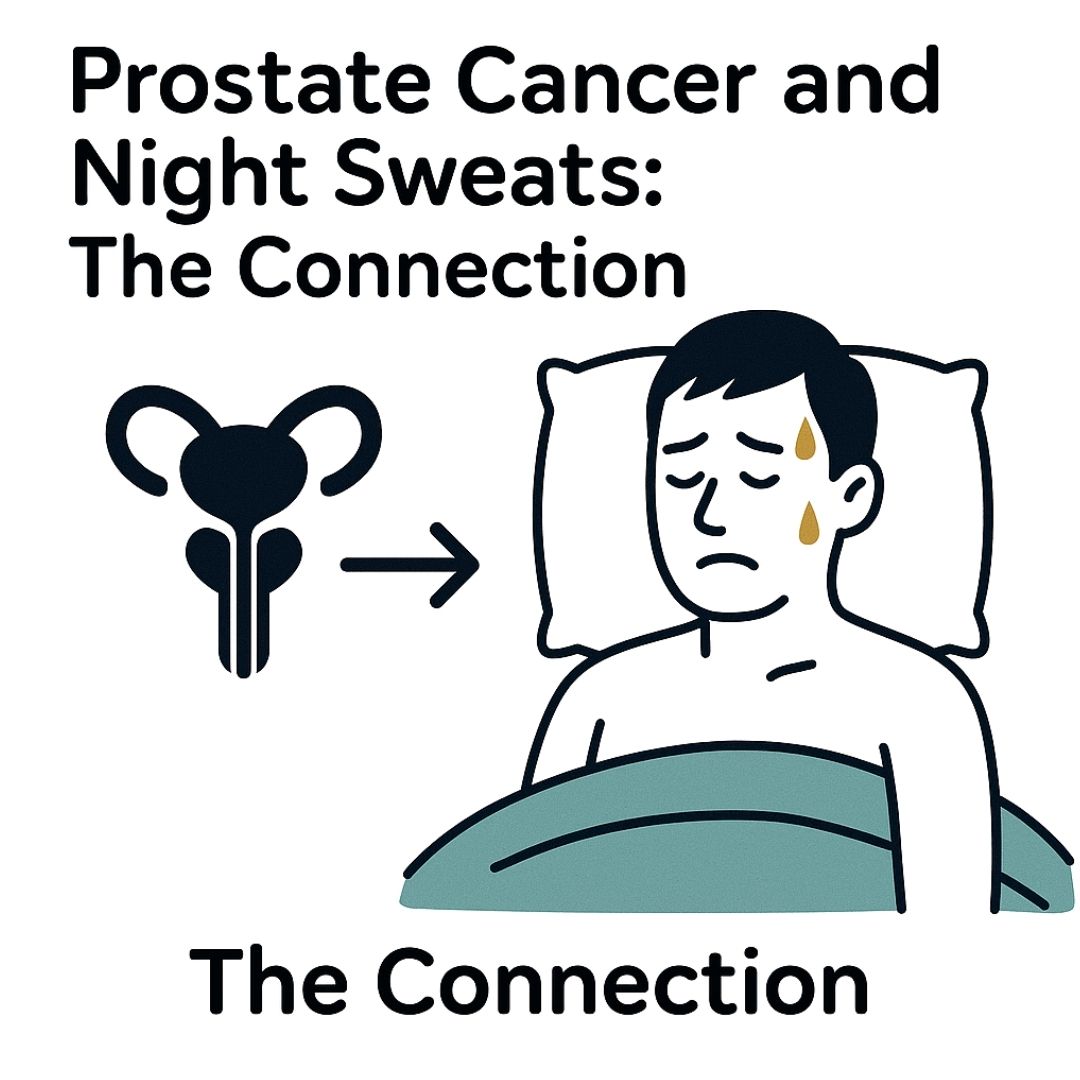
Night sweats and prostate cancer are often linked through several biological mechanisms. First, prostate cancer can disrupt hormone levels, especially testosterone. These hormonal shifts can confuse your body's temperature regulation, leading to excessive sweating at night.
In advanced or metastatic prostate cancer, the tumour may trigger immune responses and low-grade fevers. This happens when the body's defences release cytokines, which can raise your core temperature and result in sweating episodes while you sleep. Anxiety related to a cancer diagnosis can also play a role, causing night sweats through stress hormones.
It's important to note that localised prostate cancer usually does not cause widespread symptoms. Systemic signs like night sweats are more likely when the cancer is advanced and affecting other parts of the body. Keeping an eye out for these changes helps you and your doctor spot possible warning signs early.
Night sweats are just one piece of the puzzle when considering night sweats and prostate cancer. There are several other symptoms that often occur alongside or before night sweats in men with prostate cancer:
These symptoms may not always mean cancer, but noticing several together—especially with ongoing night sweats—should prompt a conversation with your GP. Tracking these changes can help ensure nothing is overlooked.
Treatment for prostate cancer can also produce night sweats as a side effect. Hormone therapy, specifically androgen deprivation therapy, lowers testosterone and can trigger hot flushes and night sweats in up to 75% of men. Chemotherapy and radiotherapy may further disrupt your body's ability to control temperature.
If you are experiencing severe hot flushes or sweats during treatment, you're not alone. Research, such as the study on Hot Flashes and Night Sweats in Prostate Cancer Survivors, confirms that these symptoms are common during hormone therapy. Speak with your care team about strategies to manage discomfort and improve sleep.
Not all night sweats and prostate cancer cases are cause for alarm, but some situations need urgent attention. If your night sweats are persistent, severe, or unexplained, and especially if they're joined by weight loss, pain, or other listed symptoms, seek medical advice.
A family history of prostate or other cancers increases your risk. Trust your instincts—if something feels off, prompt evaluation can make all the difference. Early detection is key for better outcomes, so never hesitate to consult a healthcare professional.
Identifying the reason behind night sweats and prostate cancer symptoms can feel overwhelming, but a structured medical approach is essential. Doctors use a step-by-step process to pinpoint the cause, ensuring nothing important is missed. Let us walk through each stage so you know what to expect.
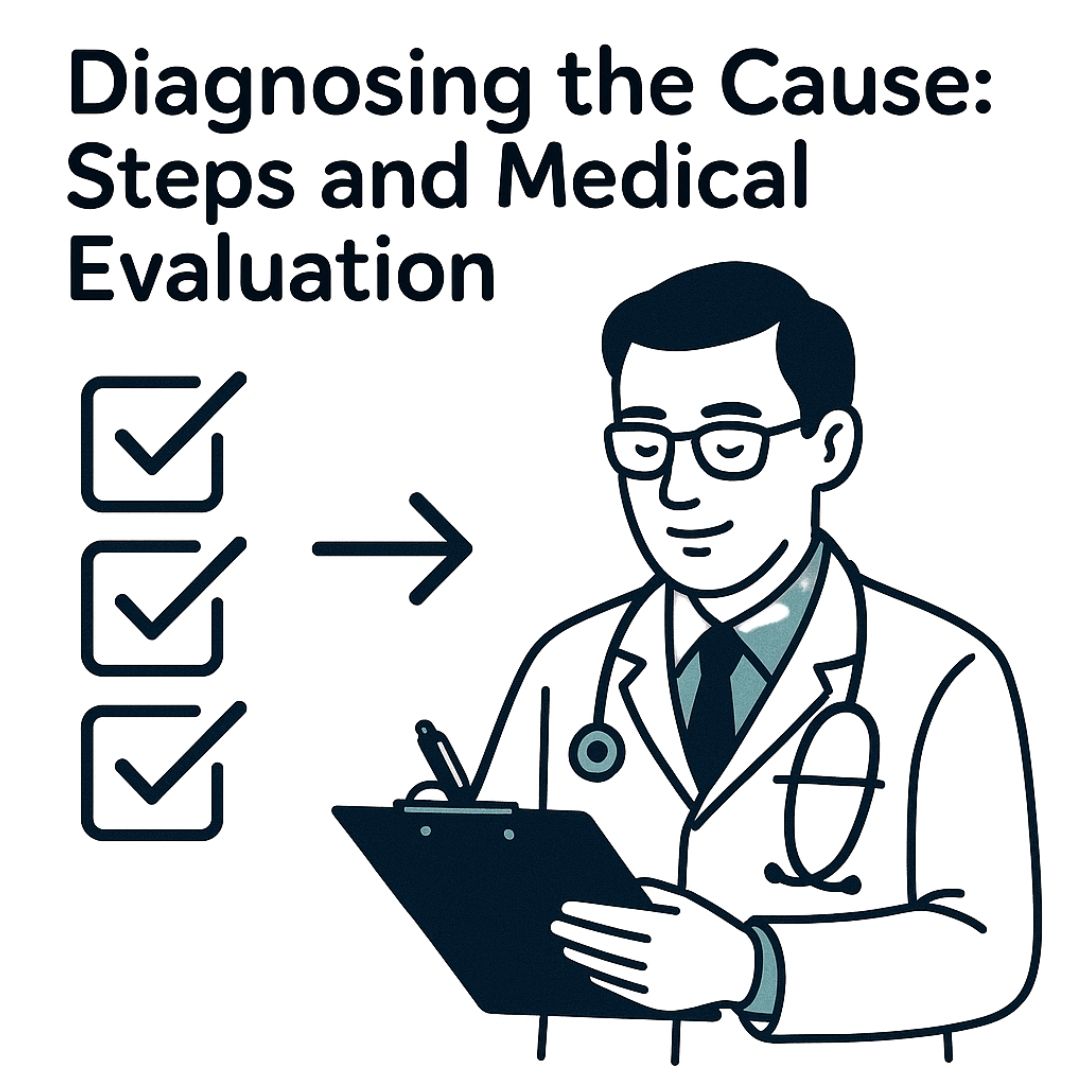
The first step in investigating night sweats and prostate cancer is a thorough medical history. Your doctor will ask about when your night sweats started, how often they occur, and how severe they are. They will also want to know if you have noticed any other symptoms, such as changes in urination or unexplained weight loss.
Questions may include:
Lifestyle, medications, and past illnesses are also important. By gathering this information, your doctor can begin to narrow down the causes of your night sweats and prostate cancer concerns.
Next, your GP will carry out a physical examination, focusing on your general health and the prostate area. This may include a digital rectal exam to check for any irregularities in the prostate.
To further investigate night sweats and prostate cancer, initial tests might include:
These tests help to highlight any warning signs or rule out common causes, ensuring the focus remains on the most likely reasons for your symptoms.
If your symptoms or test results suggest a deeper issue, your doctor may arrange imaging studies. Ultrasound or MRI scans provide detailed pictures of the prostate and surrounding tissues, helping to detect any abnormalities.
Should there be a strong suspicion of night sweats and prostate cancer, a referral to a urologist or oncologist is likely. In some cases, a biopsy of the prostate may be recommended to confirm or rule out cancer. This stage ensures that any serious conditions are caught early and managed effectively.
The final step is considering all possible causes. Night sweats and prostate cancer can mimic other conditions, so your medical team will rule out:
A comprehensive assessment is crucial, as symptoms often overlap. For more detailed guidance on what to expect during diagnosis and beyond, you can explore Prostate cancer guides and resources.
Accurate diagnosis gives you and your doctor the best chance of managing your health and addressing any underlying issues.
Managing night sweats and prostate cancer can be challenging, but there are practical strategies that can help. Addressing both physical and emotional factors is key for effective relief and improved quality of life.
Simple changes to your daily routine can make a big difference in managing night sweats and prostate cancer symptoms. Keep your bedroom cool and well-ventilated. Choose breathable, moisture-wicking bedding and sleepwear. Avoid known triggers such as spicy food, alcohol, and caffeine, especially close to bedtime. Try relaxation techniques like meditation, gentle yoga, or talking with a counsellor to reduce stress, which can worsen symptoms.
Nutrition also plays a role. Eating a balanced diet and drinking plenty of water helps your body regulate temperature. For more tips, see Managing cancer patient nutrition, which offers advice tailored to those with cancer. Many men find that these lifestyle changes can reduce the frequency and severity of night sweats and prostate cancer symptoms.
If lifestyle adjustments are not enough, medical treatments can offer further relief for night sweats and prostate cancer. Your doctor may recommend medications such as anticholinergics or certain antidepressants to manage severe night sweats. Adjusting hormone therapy might also be an option if hot flushes are significant.
Supportive therapies like acupuncture or cognitive behavioural therapy can help some men. It is important to monitor for side effects of cancer treatments, as therapies like chemotherapy can impact body temperature. Learn more about treatment effects in Chemotherapy side effects explained. Always discuss new symptoms or concerns with your healthcare team to ensure you receive the most appropriate care.
Dealing with night sweats and prostate cancer often affects emotional wellbeing. Anxiety, disrupted sleep, and worries about health can lead to stress or low mood. Seeking support is vital. Joining a support group or talking to a counsellor can help you cope with the emotional impact of ongoing symptoms.
Open communication with your healthcare providers is also essential. Sharing how night sweats are affecting your daily life allows your team to offer tailored recommendations. Remember, you are not alone, and reaching out for help is a sign of strength.
Some signs mean you need to get medical attention promptly. If night sweats and prostate cancer symptoms are severe, persistent, or come with other worrying signs like unexplained weight loss or pain, do not delay seeking advice. If your symptoms do not improve with self-care or prescribed treatments, contact your healthcare provider.
In rare cases, urgent care may be required, especially if you feel unwell, weak, or develop new symptoms suddenly. Acting early means you can access the right support and treatment as soon as possible.
Proactive steps can make a real difference when it comes to night sweats and prostate cancer. Understanding your risks, making healthy choices, and staying informed help you take control of your health. Open conversations and the right support also play a crucial role.
Knowing the main risk factors for night sweats and prostate cancer helps you make informed choices. Age is a major factor, as risk rises in men over 50. Family history also increases your chances, especially if a close relative has been diagnosed. Ethnicity plays a role, with Black men at higher risk. Lifestyle factors, such as poor diet, lack of exercise, or smoking, may also add to your overall risk.
Prevention starts with regular health checks and PSA screenings. Maintaining a healthy weight, eating a balanced diet rich in fruits and vegetables, and staying active all support prostate health. Sleep quality is important too. Recent studies show that poor sleep may increase the risk of prostate cancer by 15-20% (Poor Sleep Quality and Prostate Cancer Risk). Managing stress and getting enough rest can help reduce both night sweats and prostate cancer risk.
Talking about night sweats and prostate cancer can feel uncomfortable, but open discussion is key. Many men ignore symptoms or delay seeking help due to embarrassment or fear. Encouraging honest conversations with friends, family, and healthcare professionals helps break down stigma.
Community and workplace initiatives can also make a difference. Workshops, information sessions, and support groups give men the knowledge and confidence to seek help early. Challenging myths and sharing real stories helps everyone feel less alone in their journey.
Research into night sweats and prostate cancer is constantly evolving. Advances in early detection, such as improved PSA tests and imaging, are making diagnosis more accurate. Scientists are also exploring new therapies to manage symptoms like night sweats, especially for men undergoing treatment.
Clinical trials are underway for promising medications and lifestyle interventions. The future outlook is hopeful, with ongoing studies aiming to improve both survival rates and quality of life. Staying informed about these developments empowers you to make the best choices for your health.
Support is available for anyone affected by night sweats and prostate cancer. Trusted organisations like Prostate Cancer UK and the NHS offer up-to-date information, helplines, and local support groups. Online forums provide a space to share experiences and ask questions.
Personal stories can offer comfort and insight. For example, My prostate cancer journey shares a first-hand account of symptoms, treatment, and emotional impact. Staying connected with support networks helps you feel less isolated and more empowered to manage your health.
Understanding the connection between night sweats and prostate cancer can feel overwhelming, but you don’t have to face it alone. We’ve explored everything from causes and symptoms to practical ways you can manage night sweats and look after your wellbeing. If you’re looking for more support or simply want to learn from others who’ve walked a similar path, it’s important to stay connected and informed. You deserve to feel supported every step of the way. If you’d like to help empower more people facing health challenges, consider making a difference today by visiting our Donate page.
We strongly advise you to talk with a health care professional about specific medical conditions and treatments.
The information on our site is meant to be helpful and educational but is not a substitute for medical advice.
Find cancer support for family with emotional, practical, and financial resources to navigate this journey together.
A Cancer Diagnosis Involves Making An Informed Decision. Take Your Time, Follow The Tips In This Article And Allow Yourself Time To Heal.
Discover Seven Gentle and Honest Ways to Cope With the Emotional Strain of Living With Cancer, From Creating Personal Comfort Routines to Setting Boundaries and Finding Support.